For queries and orders 02475 095911
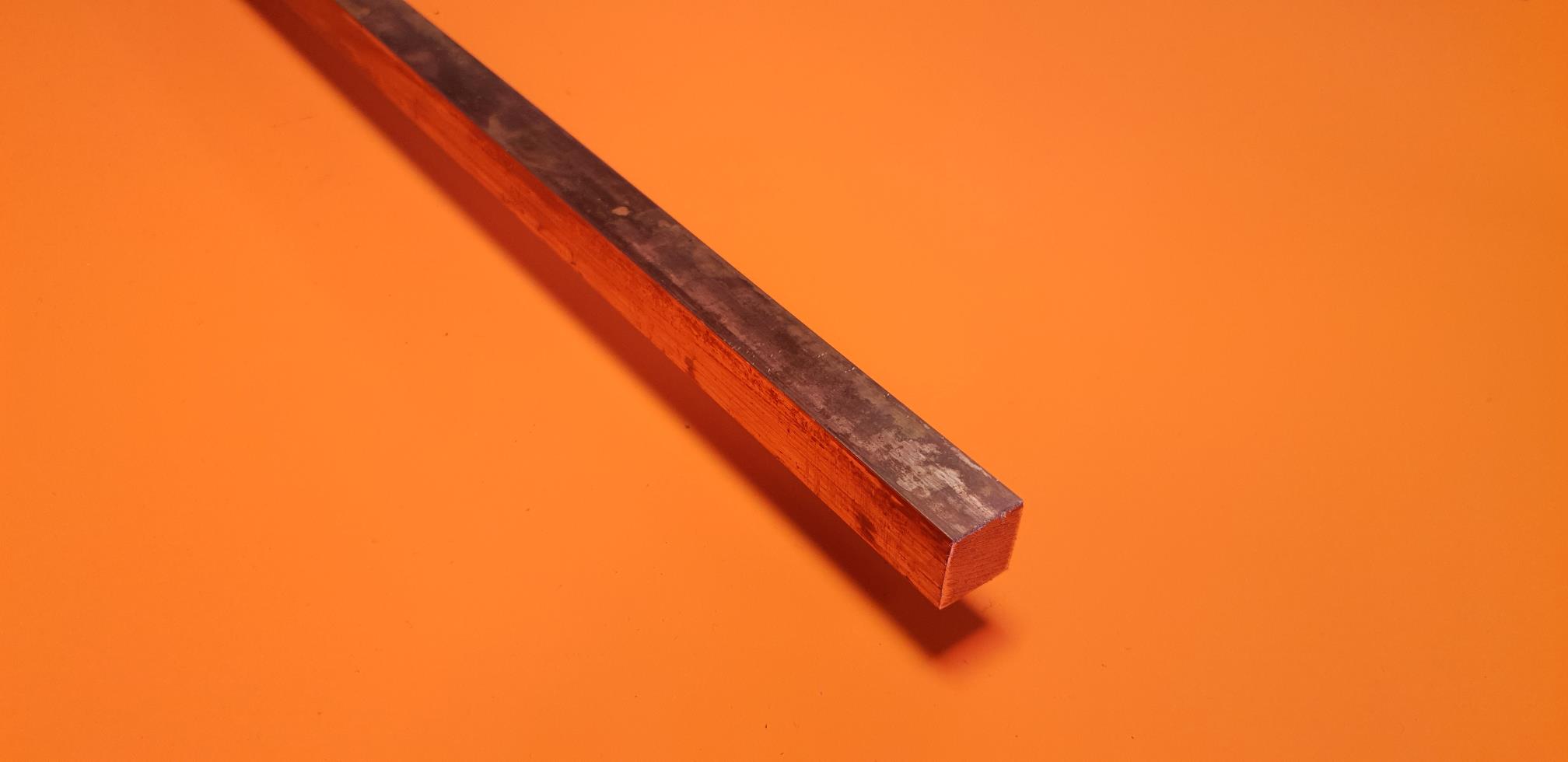
Rapid Metals is one of the leading copper suppliers in the UK and can provide copper metals across a wide range of product types.
On all mainland UK deliveries for orders over £95 + VAT
As one of the UK’s leading copper material suppliers, Rapid Metals can provide a large range of copper for sale, in forms, sizes and quantities to support all kinds of trades, manufacturing and projects.
Our online store means that you can purchase copper, whatever your need, with ease. When you want to buy copper, simply select the form of copper you need, select the dimension(s), quantity and the length you want each piece cut to. Your basket will automatically update with the current total price.
Explore our range of copper for sale above or read below for more information about copper.
Copper – with the chemical symbol Cu – is a metal element. The name and symbol comes from Latin, with ‘cuprum’ referring to the island of Cyprus, where copper has been mined for at least 6000 years.
Copper is one of humanity’s oldest materials, having been used for more than 10,000 years. It remains a widely used, versatile material with many relevant and desirable properties in the modern world.
A superficial but important property of copper is its colour – it has a rich, lustrous red/brown shade, and the metal has given its name to a whole range of colours and tones. It is the only metal other than gold to have a distinctive colour in its pure and finished form – others are dull greys or silvers. The colour and attractive appearance of copper have always been reasons for its use in a wide range of settings, whether purely aesthetic or with a functional purpose too.
Other desirable properties of copper include its ductility. This is its ability to be drawn and stretched into thin sheets and long wires. It’s also malleable, so it is a ‘soft’ metal that retains its strength during and after being worked and doesn’t crack or go brittle when shaped or stressed. Copper can withstand high pressures and temperatures.
In the modern age, copper is mostly used for its excellent electrical properties. It is second only to silver as a conductor (while being much less valuable!) and is considered to have a 100 per cent conductivity rating.
Copper is also a superb thermal conductor, with a very low specific heat capacity, meaning that it cools down, warms up, and transfers heat very effectively.
Copper is well-known for being corrosion-resistant and can maintain its integrity for many years, even in harsh and exposed conditions. When exposed to air, copper forms a surface layer of oxide – patina – which protects the metal beneath. This patina itself has an attractive green/blue colour that is often deliberately encouraged by architects and designers.
Copper has natural antimicrobial properties, which were utilised long before microbes and germ theory were understood – thousands of years ago in China, patients would purchase copper coins to swallow, treating stomach pain and diarrhoea, while ancient Phoenicians rubbed copper shavings into wounds to prevent infection. Around the world and through history, people have realised that water kept in copper vessels stayed fresher for longer and reduced illnesses. Even with improvements in medicine and hygiene, and now we fully understand how microbes cause infection, this is still a valuable property of copper today.
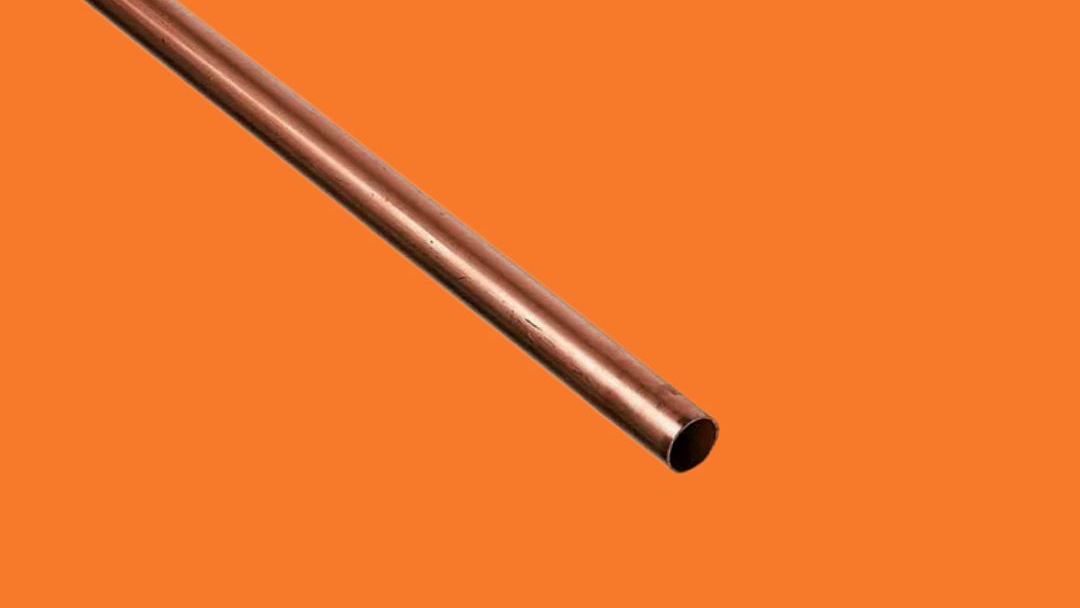
Copper’s primary uses in the modern world are for electrical wiring and plumbing. The ductility and malleability of copper make it ideal for drawing and forming into wires and tubes.
Electrical wiring, windings, connectors and other components also benefit from copper’s excellent electrical conductivity and natural corrosion resistance. The boom in electric vehicles and their charging infrastructure has greatly increased the global demand for copper.
That is also a valuable property in plumbing and other fluid-handling applications – water in copper pipes won’t degrade or leech, and copper fittings and components won’t seize or corrode in fresh water (salt water or similar corrosives are a different matter).
When the copper used in plumbing and wiring is combined, it is estimated that that the average home contains around 200kg of copper.
Copper’s thermal properties also make copper, especially tubing, a common choice for making heat exchangers, condensers, evaporators, radiators and air conditioning systems.
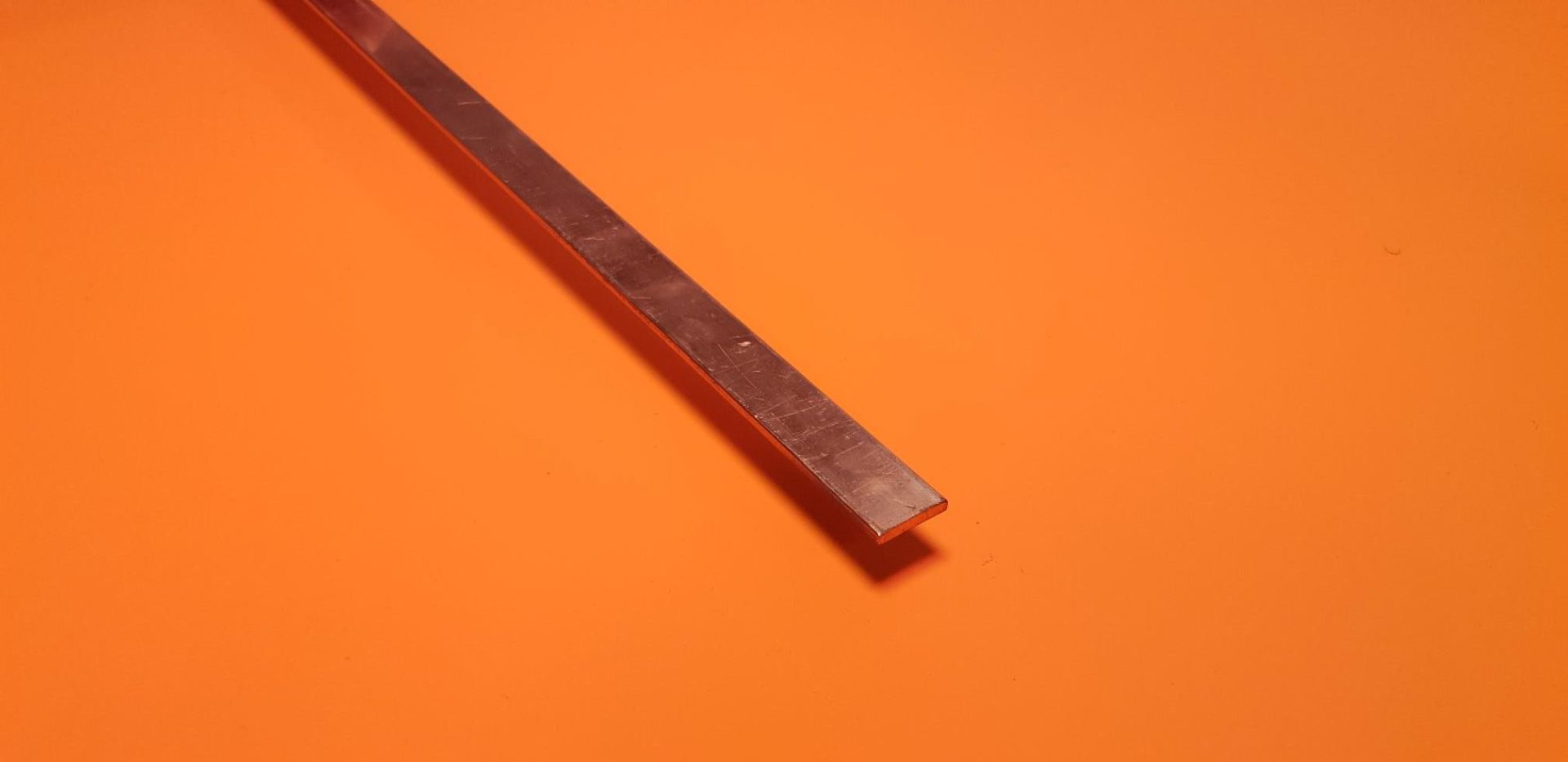
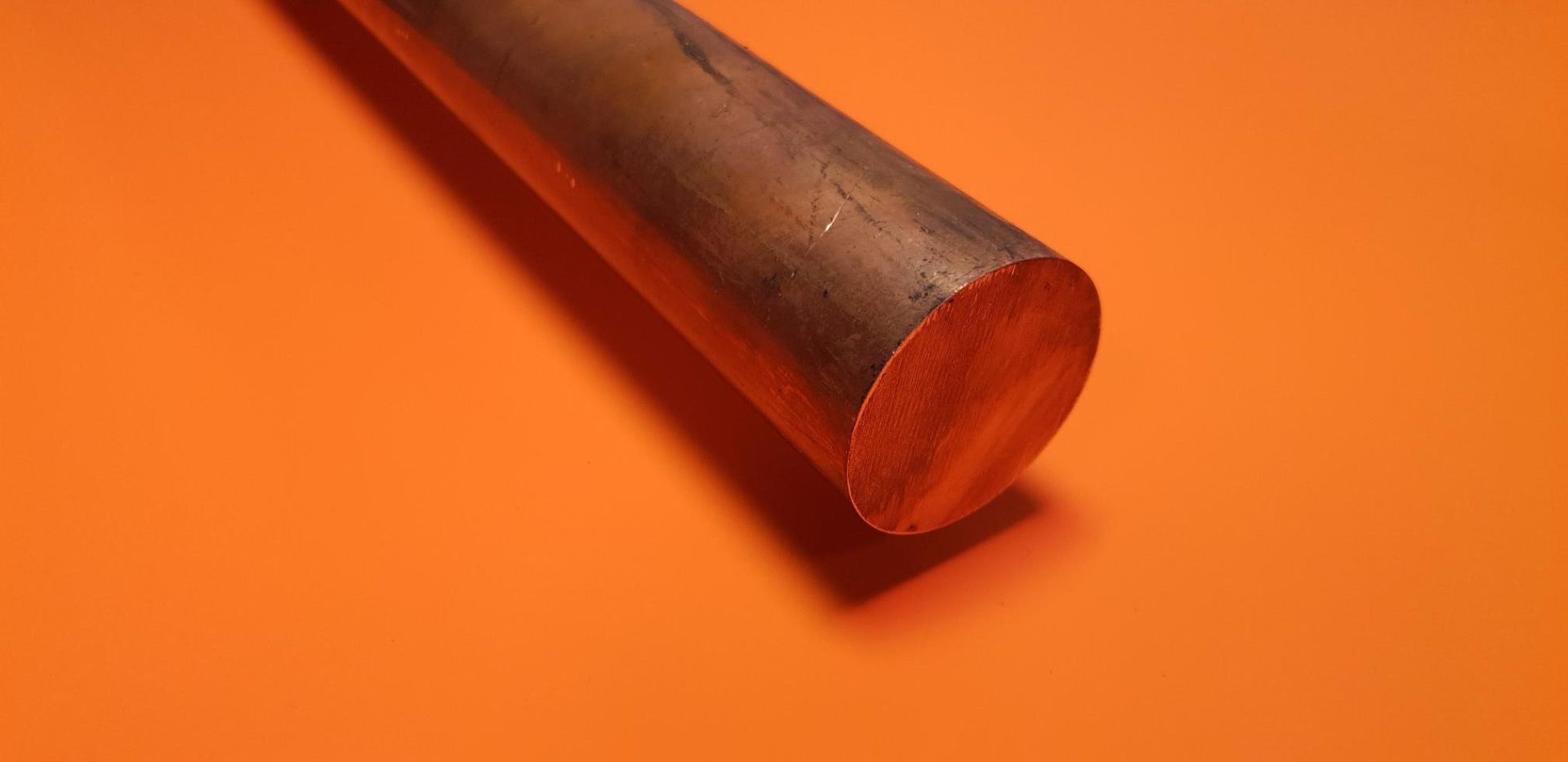
With its good malleability and response to working, basic forms of copper such as rounds, bars, sheets and flats can be shaped, milled, turned and machined into all sorts of individual components and fittings. Although a relatively ‘soft’ metal, copper is hard enough and has sufficient precision to accept threads and be used as a bolt or screw in suitable situations.
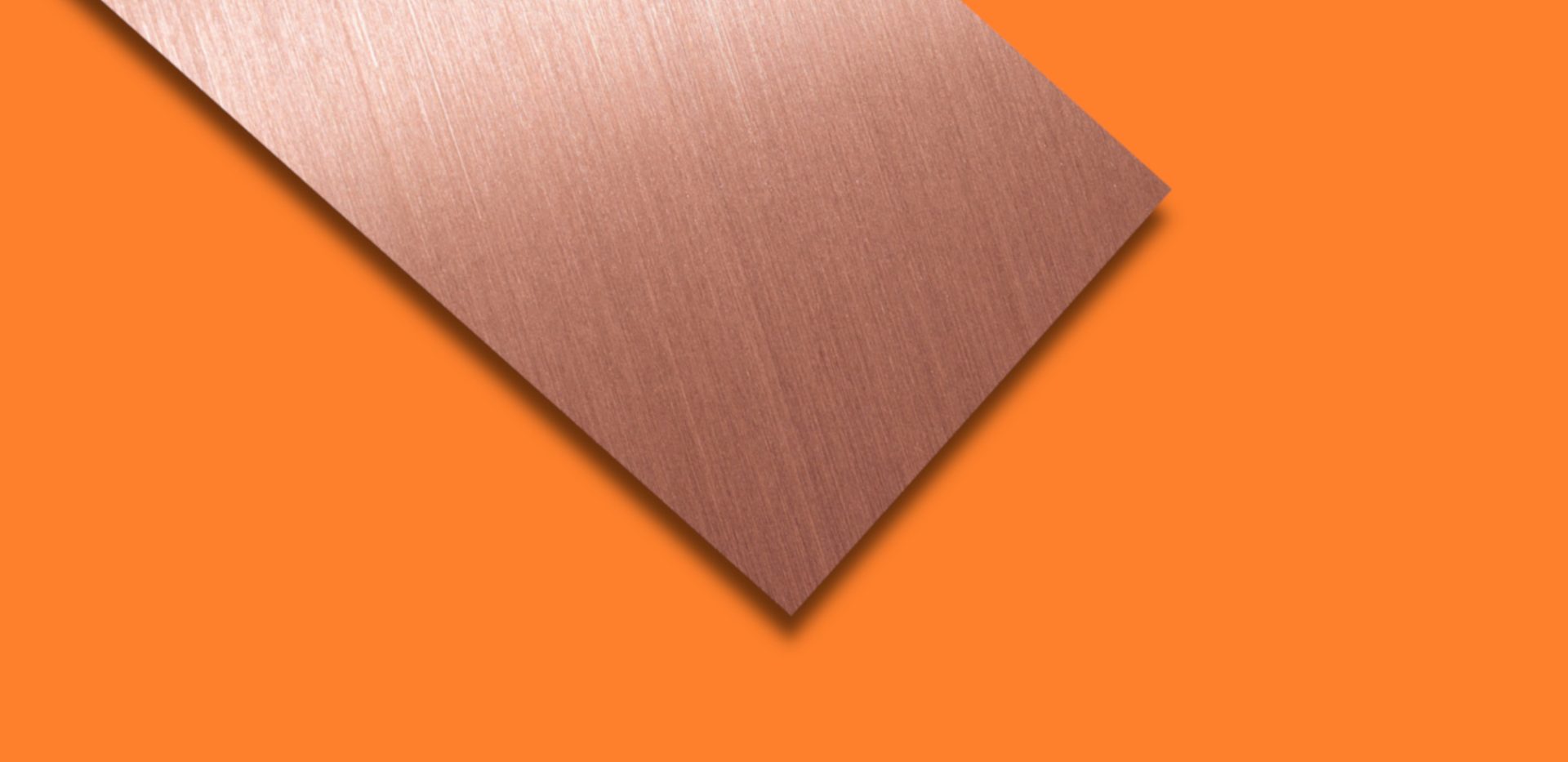
Copper sheet is widely used in architecture and construction, especially as roofing material or external cladding, thanks to its durability and corrosion resistance as well as its attractive appearance, whether clean or weathered.
The antimicrobial properties of copper are still valuable in many public buildings, reducing the transfer of germs on frequently touched surfaces such as handrails, door handles and door locks.
These are all reasons why copper has been one of humanity’s most-used metals for millennia, and why people, businesses and industries continue to buy copper in large quantities today – nearly 27 million tons of copper is used globally each year.

The many mechanical and material properties of copper described above – malleability, ductility, workability, excellent conductivity of electricity and heat and more – are why so many people and organisations purchase copper for their projects.
Another benefit of copper, which becomes more significant in the modern age, is that it is infinitely recyclable. Copper can be recovered, melted down and reformed without losing any of its performance or properties – recycled copper is indistinguishable from freshly mined and processed copper. Around a third of all copper used globally each year is recycled. Copper also has one of the oldest recycling histories of any material – this metal has been recycled almost as long as it has been used, and it is estimated that 80 per cent of all the copper mined in human history is still in use somewhere in the world.
So, when you choose and buy copper, you are selecting a highly sustainable material that can make a very real contribution to the circular economy and industrial sustainability.
Copper is one of the most versatile metals in the world, and has been for thousands of years. From electrical wiring to industrial heat exchangers, and from model engineering components to architectural cladding, copper has a multitude of uses.
Where pure copper is not the best material, it can be alloyed with other materials to form other common materials like brass and bronze, as well as other copper-dominant alloys such as copper-zinc and copper-nickel, all expand copper’s inherent versatility.
Copper’s versatility also extends to how it can be worked and joined. It responds well to folding, cutting, machining and beating. With appropriate techniques, it can be soldered, brazed and welded. Mechanical joining methods that can be used with copper include crimping, riveting and bolting, and there are also adhesives that can provide strong and durable bonding for copper parts.
Simply select your size and quantity and add to your basket ready for UK-wide delivery.
Please contact us if you need a specific size that you can’t find on our website or if you require any further advice or guidance.
We look forward to hearing from you and helping you bring your construction ideas to life.
No matter how big or small your project is, our friendly team can help.
To find out more about buying from Rapid Metals, please get in touch.