 Angle
 Box Section
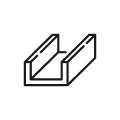 Channel
 Aluminium Flat
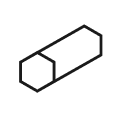 Hexagon
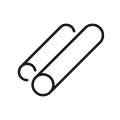 Round
 Round Tube
 Aluminium Sheet
 Aluminium Square
 Tee Section
 Tread Plate
 Oval Tube
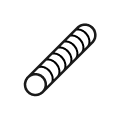 Threaded Rod
 En24t Cut Block
 Rectangular
 Round
 Square


When it comes to welding metal, it’s essential to choose the right one for the job. The type of metal you choose to weld can have a significant impact on the strength, durability and appearance of your finished project. This is because different metals can react differently to high temperatures, and they can also need different welding techniques. On top of this, different metals have varying levels of weldability, which makes some very easy to weld while others are quite difficult to weld. Picking the right metal for your project can be difficult due to the various levels of weldability, and there isn’t just one metal that does every job. The right metal for you will entirely depend on your project, the conditions of the environment your project will be in and the type of welding you need to carry out.
To help you determine the best material for welding, we’ve created this expert guide that shows the vast options you can choose from, such as brass, aluminium, stainless steel and copper. We also explore the characteristics of each type of metal, so that you can find the perfect material for your project before you even start welding.
What Metals Can Be Welded?
So, what metals can be welded? Most of the common metals that many industries use can be joined together using the right welding process. However, some metals are much easier to weld than others. The most common types of metals used for welding are stainless steel, mild steel and aluminium. As well as these, copper, brass and bronze can also be used for welding or joining if the right techniques are used.
It’s vital to note that just because a metal is weldable doesn’t mean that it’s easy to weld. Many factors of a metal can affect the welding process, such as its chemical composition, thermal conductivity, melting point and susceptibility to distortion. As well as this, it’s essential to check the specific grades of metal you want to weld to make sure that they are compatible with the welding process you need to carry out.
The Best Materials for Welding
It can be difficult to know what the best materials for welding are, since most common metals can be welded. It all depends on your welding skill level, the application you need to carry out and the type of metal you need for your project. Some metals are easier to weld than others, so if you’re a beginner to welding metal, it’s best to use the easier materials. To help you find the right metal to weld for your project or understand more about welding different metals, we’ve outlined the best ones to use that will be smoother and easier to join for a pristine finish.
Mild Steel: The Easiest Metal to Weld
The easiest metal to weld is mild steel for most general fabrication projects. This is a great metal to use for welding, especially if you’re new to the skill of welding. Mild steel has a low carbon content, which gives it great ductility and makes it much easier to work with than higher carbon-content steels.
Due to having the great combination of strength and weldability, mild steel is a versatile welding metal that anyone can work with and create a smooth finish. It can be used for a wide range of applications, such as making brackets, frames, gates, supports, machinery parts and general fabrication tasks.
You can get mild steel in various forms to suit your exact project requirements. From box section and angle to tube, sheet and flat, you can easily work with the right profile for the job. Any profile you choose to work with is easy to work with, allowing you to easily cut, shape and join it. This means that it’s a great steel for welding to use if your welding skills are more basic.
Stainless Steel for Strong, Corrosion-Resistant Welds
Another great metal to use for welding is stainless steel due to its strength, corrosion resistance and stunning finish. This metal contains chromium, which is why it’s highly resistant to corrosion. Stainless steel is perfect to use for any project that needs to last in harsh environments that are exposed to the elements.
For welding, the grade of stainless steel you choose matters. The most common grades of this metal are 303, 304 and 316. Each one of these has its own properties and applications, which makes them different to weld. Grade 304 is the best one to weld because it’s very versatile, making it a popular choice to create kitchen equipment, fittings and fabricated parts. As for grade 316, this stainless steel offers improved resistance to corrosion and pitting, allowing you to use it in even the most demanding environments. Due to this, stainless steel can be the best material for welding for projects that require a long-lasting solution that can withstand moisture, chemicals and other corrosive environments.
Aluminium for Lightweight Projects
Aluminium can be used for welding projects where a lighter weight is important because of its low density. It also offers exceptional strength, corrosion resistance and is easy to manipulate, making it a great metal to work with for all sorts of projects.
However, aluminium is very different to weld than steel. It has high thermal conductivity, which means that the heat is quickly transferred through the material, but it also has a low melting point that needs careful control when welding. This means that welding aluminium is a bit more difficult than steel and requires more experience, skill and the right equipment.
You can get aluminium in round, square, sheet, flat and box section profiles to suit your unique project requirements and can create quality lightweight frames, components, fabricated structures and transport applications. This metal is perfect to use in any application where you need to reduce weight.
Copper for Specialist Welding Projects
Copper is another metal that can be welded, but it does have its own unique challenges. This metal has outstanding thermal conductivity, which means that heat can quickly move away from the welding area. So, when you’re welding copper, it takes more heat control and a lot more skill to do it right for a lasting, quality finish.
Copper comes in round bar, round tube, flat, sheet and square and is useful for conducting electricity and heat, as well as for projects that are exposed to harsh environments due to its corrosion resistance. It’s particularly useful for specialist fabrication applications and electrical work where conductivity is important, meaning that it should only be welded by someone who is very skilled, as the correct technique and preparation are vital for a high-quality finish.
Brass is Weldable but More Specialist
Brass can be welded, but it’s a lot more difficult. This is because it’s made from copper and zinc and has impressive corrosion resistance. Brass is typically worked with due to its great appearance, excellent machinability and amazing versatility. However, the weldability varies depending on the composition of the exact brass you need to use.
The amount of zinc within the material matters because excessive heat can cause serious issues during welding. This means that brass needs to be welded more carefully than mild steel to be able to create a clean and reliable joint.
You can get this metal in sheet, flat, hexagon, angle, round and square, which can be useful for engineering applications, decorative projects, specialist fabrication and intricate components. So, if you’re looking for welding metal for sale, brass can be worth considering if you’re particularly skilled at welding and the properties of this metal are needed for your project.
Bronze for Specialist Applications
Bronze is another copper-based alloy that can be joined together when using the right techniques. Welding this material requires a higher skill level due to its composition. The most common grade of bronze, such as SAE660 round bar, is typically used for mechanical and industrial applications.
Whichever grade you use, bronze offers exceptional strength, hardness, corrosion resistance and machinability and can be used to create components like bearings, bushings and other mechanical parts. However, because different alloys of bronze have various compositions and characteristics, the grade you use for welding must always be thought about beforehand.
What About Engineering Steel?
Not every type of steel provides you with the same level of weldability as mild steel. Engineering steels are more difficult to weld because they’re made to offer various combinations of strength, hardness and machinability. This means that some grades of this steel are more demanding than others when welding.
Whether you need to work with EN1A, EN3B, EN8, EN16T, EN19T or BDMS engineering steel, to find the best steel for welding, it’s important not to just choose the steel based on its strength alone. This is because a highly specialised engineering steel may give properties that are valuable to your project but can be difficult to weld and require a more careful approach.
Is Cast Iron Suitable for Welding?
Cast iron can be welded, but this metal is much more challenging than other materials. This is due to its high carbon content and material characteristics that make it susceptible to cracking when exposed to heat. Cast iron requires specialist techniques to create the perfect, quality finish. It also needs controlled heating to prevent it from cracking while welding and the right filler materials to achieve a flawless joint or repair. Due to this, cast iron isn’t the best material for welding if you’re a beginner.
How Do You Choose the Best Metal for Welding?
When it comes to the best material for welding, there isn’t one single metal for every application. It depends on your individual requirements for your particular project. For general fabrication and easy welding capabilities, mild steel is the most practical option and the easiest metal to weld. This means that it’s perfect for beginners due to its weldability, strength, versatility and affordability. However, stainless steel is preferable when your project needs impressive corrosion resistance, while aluminium is perfect for projects where low weight is a priority.
Copper, brass and bronze can be the right metal to use if you need to carry out specialist applications and are more skilled in welding. Engineering steels and cast iron can also be used in welding projects, but they have specific grades and different welding requirements that need to be considered before carrying out welding tasks.
The welding process you need to carry out should also influence your material selection. MIG, TIG, stick and other welding methods all have different requirements, so you should make sure that the material, thickness, filler and welding process are suitable for the process.
Find Welding Metal for Sale at Rapid Metals
Whether you’re working on a small fabrication project or sourcing materials for a larger engineering application, choosing the right metal is an important first step.
Rapid Metals supplies a broad range of materials suitable for different fabrication and engineering requirements, including mild steel, stainless steel, aluminium, copper, brass, bronze, cast iron and engineering steel. Materials are available in a variety of profiles and sizes to suit your project requirements, making it easier to find the perfect metal for the job. We also offer cut-to-size services if standard sizes aren’t suitable to help reduce waste and make ordering even easier.
If you are looking for welding steel for sale or need another type of welding metal for your next project, explore our extensive range to find a material and profile suited to your requirements and contact us for more information.