 Angle
 Box Section
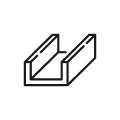 Channel
 Aluminium Flat
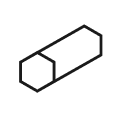 Hexagon
 Round
 Round Tube
 Aluminium Sheet
 Aluminium Square
 Tee Section
 Tread Plate
 Oval Tube
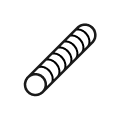 Threaded Rod
 En24t Cut Block
 Rectangular
 Round
 Square


Working on a project for outdoor, industrial, marine or other demanding environments can be difficult, especially when you need to create structures or parts using metal. The key to a successful, high-quality finish in these environments is to choose the right metal. Strength and durability are important features to look for, but the metal’s corrosion resistance is the most important factor for a long-lasting, flawless finish. This is key because some metals naturally create a protective surface layer that helps to slow down deterioration in these environments, while others are much more vulnerable to moisture, oxygen and chemicals.
To be able to choose the right metal, you need to know which are the most corrosion resistant metals for your project in harsh conditions. Knowing this can be difficult due to the vast number of metals available to choose from, such as stainless steel, aluminium, bronze, copper and brass. All of these metals can offer good resistance to different forms of corrosion, but their performance depends on the environment your project is for and the specific grade or alloy you need to use.
At Rapid Metals, we know that it can be hard to know exactly which metals to use for your project, so we’ve created this useful guide on corrosion resistant materials to help you determine which metal to use for your individual project. Explore the properties and uses of a wide selection of metals and find out which is best for different applications.
What is Corrosion?
Corrosion is a gradual deterioration of a metal that’s caused by chemical or electrochemical reactions in its environment. Elements like moisture, oxygen, salt water, acids, chemicals and pollutants can all cause corrosion. A specific type of corrosion is rust, which occurs with iron and metals that contain iron, and is the most common type of corrosion. To be able to create a quality finish using these types of metals, you’re not looking for which one is the most resistant to corrosion, but instead need to know the answer to what metal does not rust.
You also need to think about non-ferrous metals, like aluminium, copper, brass and bronze, to see if these suit your project better. These metals don’t rust, but they can still oxidise or corrode over time in certain conditions.
Does Stainless Steel Corrode?
Stainless steel is one of the most rust resistant metals used in a wide range of applications and environments. It’s perfect for projects that require excellent durability and resistance to moisture. The resistance to corrosion for this metal comes from its large chromium content, which allows a protective oxide layer to form on its surface.
But, does stainless steel corrode? Even though it is highly resistant to corrosion, it can still corrode because it isn’t completely corrosion-proof. The performance of the metal for your project entirely depends on the grade you’re using and the environment you want to use it in. You can get grade 303, 304, 316 and other grades to suit your needs. Grade 304 provides good general corrosion resistance, while 316 contains molybdenum, which gives the metal improved resistance for marine and corrosive environments. This makes stainless steel a useful option for applications that are exposed to moisture, outdoor conditions, food processing environments and some chemical environments.
When considering stainless steel and corrosion, it’s vital to choose the right grade. A material that works well for indoor environments may not offer the same protection when constantly exposed to salt water or aggressive chemicals.
Does Aluminium Corrode?
Aluminium is another popular choice when corrosion resistance and low weight are important for your project. Due to this, many wonder does aluminium corrode? Again, aluminium can corrode, but it’s different from other iron-based metals. When aluminium is exposed to oxygen, it naturally creates a thin oxide layer over its surface. This layer helps protect the underlying material from further corrosion, making it last longer.
Due to this, aluminium is seen as one of the most useful corrosion resistant metals for outdoor and general engineering applications. The metal also combines corrosion resistance with low density and conductivity, which makes it highly versatile and easy to manipulate.
It comes in many forms, such as round, flat, square, hexagonal, box section, tube, channel, tee section, angle and sheet. This makes it a good choice for your project, especially when weight needs to be kept low without sacrificing resistance to the elements outdoors.
Does Bronze Corrode?
Another one of the most corrosion resistant metals is bronze. It especially works well for applications that involve water and demanding environments. Whether you use SAE660 bronze or bronze alloys, you can get an excellent combination of strength, hardness, low friction and corrosion resistance.
So, does bronze corrode? Over time, bronze can encounter surface changes, but many bronze alloys have excellent resistance to corrosion. This is why bronze has traditionally been used in marine components, valves, bearings and bushings where there’s frequent exposure to water. Bronze can be useful for any project where corrosion resistance needs to be mixed with wear resistance and low friction.
Does Copper Corrode?
Copper is highly resistant to rust because it doesn’t contain iron. This leads many people to wonder does copper corrode? The answer to this question is that it can corrode from oxidisation, which makes the metal develop the well-known green patina when exposed to air and moisture over a long period of time. However, when this happens, it can actually help to protect the metal. Even though this patina is the first part of corrosion, it can protect the underlying copper from further corrosion, allowing it to last for years to come.
With an excellent combination of corrosion resistance, conductivity and workability, copper can be used for numerous applications and is one of the metals that do not rust. You can get this metal in sheet, flat, round, square and round tube forms to suit your project and can use it across engineering, electrical, plumbing and fabrication projects.
Does Brass Corrode?
Many wonder does brass corrode? As brass is a copper alloy, which typically contains copper and zinc, it has good corrosion resistance. However, it can corrode under certain conditions. It doesn’t rust in the same way as iron-containing steel because it doesn’t contain iron. However, prolonged exposure to moisture, chemicals or salt water can affect its surface and performance for your project.
It’s important to note that while brass offers good corrosion resistance, it can be very vulnerable to salt water, unlike bronze, so it’s best not to use it in these environments. Whether you use flat, round, square, angle, tube or another type of brass, you can rely on this metal for engineering and fabrication applications.
Does Steel Corrode?
Normal steel does contain iron, unlike the non-ferrous metals, therefore it can rust when it’s exposed to moisture and oxygen. So, when it comes to the typical question of does steel corrode?, the answer is yes. Without the right protection on its surface, steel can develop rust, which can slowly damage the material over time.
However, this doesn’t mean that steel is unsuitable for demanding applications or outdoor environments. It can be used for these types of projects when treated right. This means that before you can use steel for these environments, you need to find the right coating or finish to make it last and prevent corrosion. You also need to maintain it so that it lasts longer. When this is done, you can gain excellent strength and versatility to withstand the elements.
Whichever type of steel you need to use, from EN8 and EN19 to EN24T and EN36B in flat, round, sheet, box section, channel, oval tube or more with the right protection, you can easily use this metal for all types of specialist or general applications.
Does Cast Iron Corrode?
Another material that contains iron is cast iron, which means that you need to think about does cast iron corrode before using it for a project. The answer to this question is yes, cast iron can corrode and rust when exposed to moisture for a long time. This is because it has a high carbon content, which, combined with its other characteristics, allows the metal to be used across a wide range of engineering applications. However, it doesn’t have the corrosion resistance needed to face the elements constantly, like stainless steel, aluminium, bronze or copper.
But, whether you choose round or square cast iron, it will need the right protective surface and maintenance to reduce corrosion when exposed to moisture. This can make it last and provide excellent strength.
Which Metals Are Most Corrosion Resistant?
When finding the best metal for corrosion resistance, there’s no single one for every application. Instead, it all depends on what the metal will be exposed to, the mechanical properties you require and your budget for the project.
For most general applications, stainless steel is a good choice when your project needs moisture and corrosion resistance, while aluminium is useful for low weight and corrosion resistance applications. As well as these, bronze is perfect for corrosion resistance and works well in demanding and marine environments, while copper and brass can be resistant to rust and corrosion when used in the right conditions.
This means that rather than looking for one most rust resistant metal, it’s best to consider the environment of your project and choose the material based on that.
What Metal Does Not Rust?
There are no metals that are completely immune to corrosion. However, there are certain non-ferrous metals that don’t rust because they don’t contain iron, like aluminium, copper, brass and bronze.
Stainless steel is also a great corrosion resistant metal, but it’s very different to non-ferrous metals, as it does contain iron. However, it’s specially made to offer greater corrosion resistance than normal steel, meaning that it can be used for harsh environments. Even though stainless steel can withstand these environments, it can still corrode when under aggressive conditions, so it needs to be used in the right environments.
Due to this, it’s essential to understand that non-corrosive metals may not rust, but they can still be at risk of oxidation or other types of corrosion when not properly maintained.
Choosing Corrosion Resistant Materials
The best choice depends on the conditions your metal will face. Consider whether the material will be exposed to rain, condensation, salt water, chemicals, high temperatures or constant immersion. The required strength, weight, machinability and cost should also influence the decision.
Rapid Metals supplies a wide range of materials, including stainless steel, aluminium, brass, bronze, copper, steel and cast iron, in different shapes and sizes. This makes it possible to select a material based on both its corrosion resistance and the other requirements of the project.
Whether you need a corrosion-resistant material for an outdoor structure, an engineering component, a marine application or a fabrication project, choosing the right metal right at the start can help improve longevity and reduce maintenance requirements.